Welcome to my Instructional Portfolio! Below, you’ll discover a collection of innovative courses and workshops I’ve designed and taught. Each entry showcases my commitment to engaging, evidence-based teaching methods that empower learners across educational settings. From elementary science education to cutting-edge mixed reality environments, these experiences reflect my passion for creating transformative learning opportunities.
University Course: Methods of Teaching Science in Elementary Grades
Course Overview:
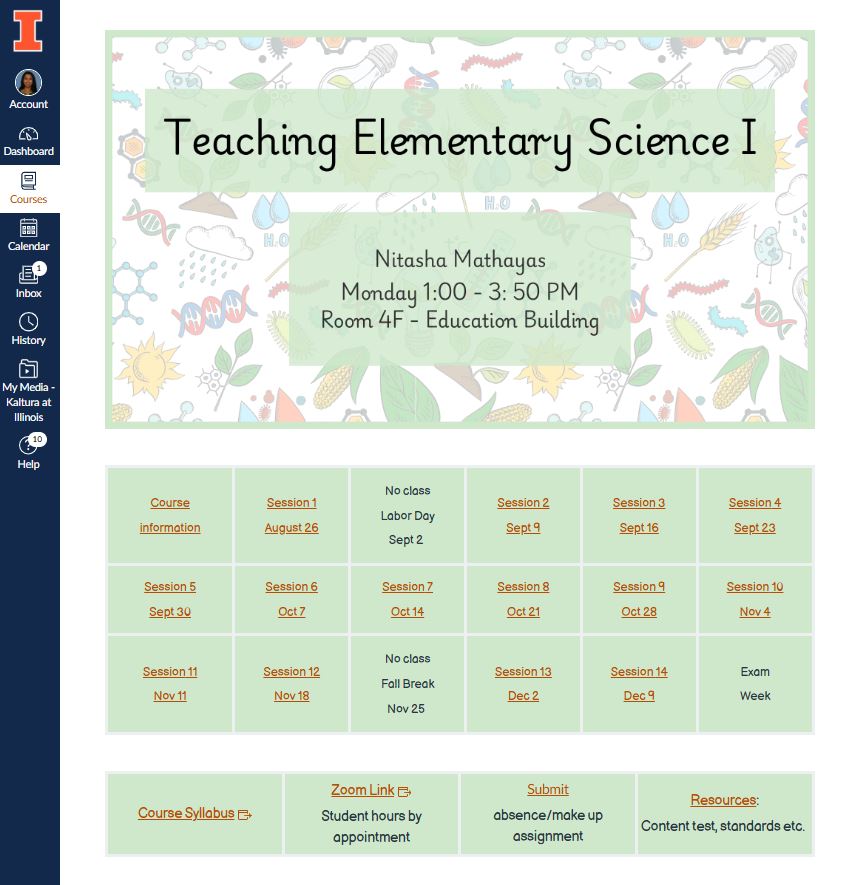
The Science Methods course is designed to prepare elementary preservice teachers with essential pedagogical skills and teaching tools. This instructor-led, in-person course introduces students to the Next Generation Science Standards (NGSS) and Illinois Science Standards, providing both theoretical foundations and practical applications. Students engage in hands-on science activities and analyze curriculum units aligned with these standards. By the end of the semester, students collaborate to create adaptations of existing science units. The curriculum emphasizes sustainability concepts across scientific disciplines and incorporates culturally responsive pedagogy (CRP) throughout.
Format:
This comprehensive 16-week course is offered during fall and spring semesters. Course materials are delivered through Canvas LMS with supplementary resources available via Google Suite.
Instructional Approach:
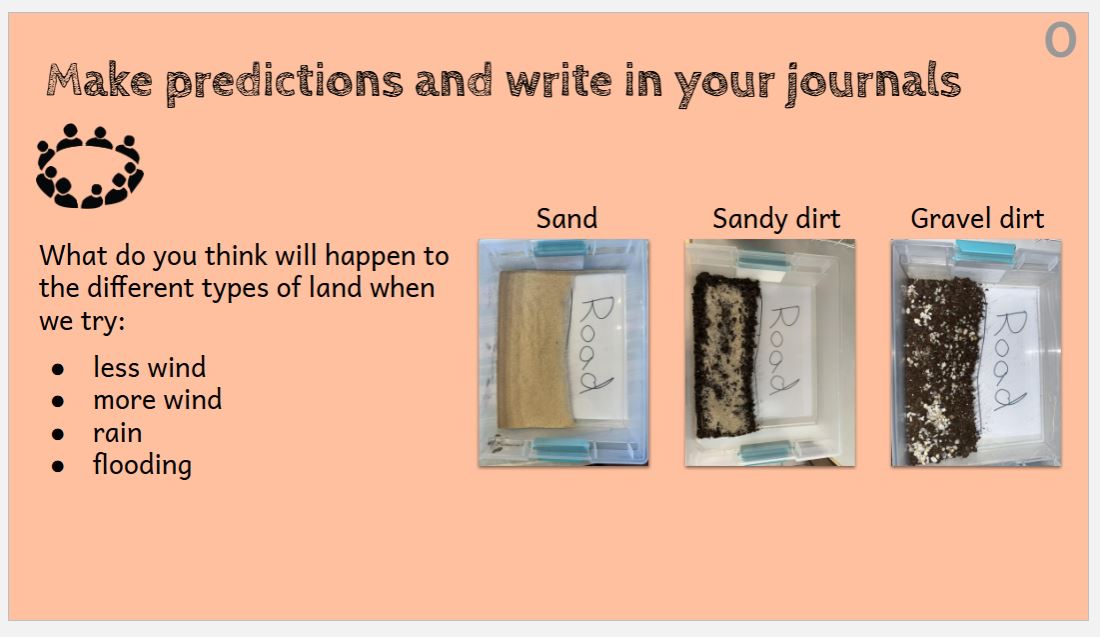
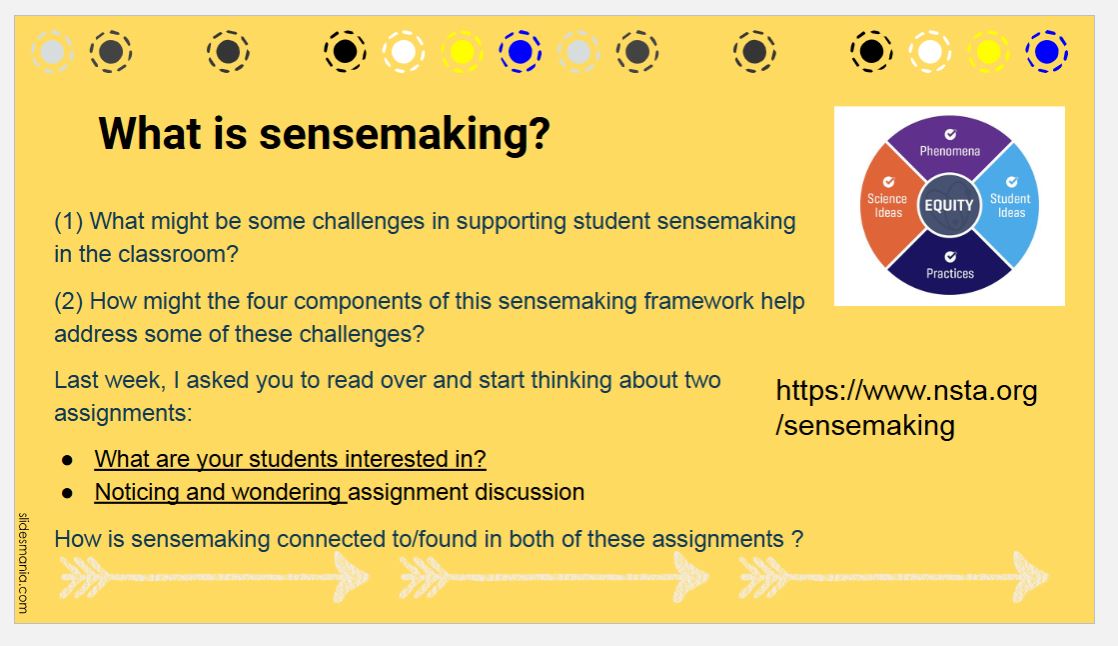
I employ a dynamic flipped classroom methodology where students complete readings before class, allowing for rich in-class discussions. I model exemplary science lessons that we collectively analyze from both teacher and student perspectives. Students gain experience with nationally recognized, evidence-based science units and receive scaffolded support through lesson plan templates and materials to develop their own science instruction. The classroom environment fosters collaborative dialogue, enabling peer learning and modeling scientific discourse practices. Reflective journaling is incorporated to deepen learning and professional growth.


Assessment Strategy:
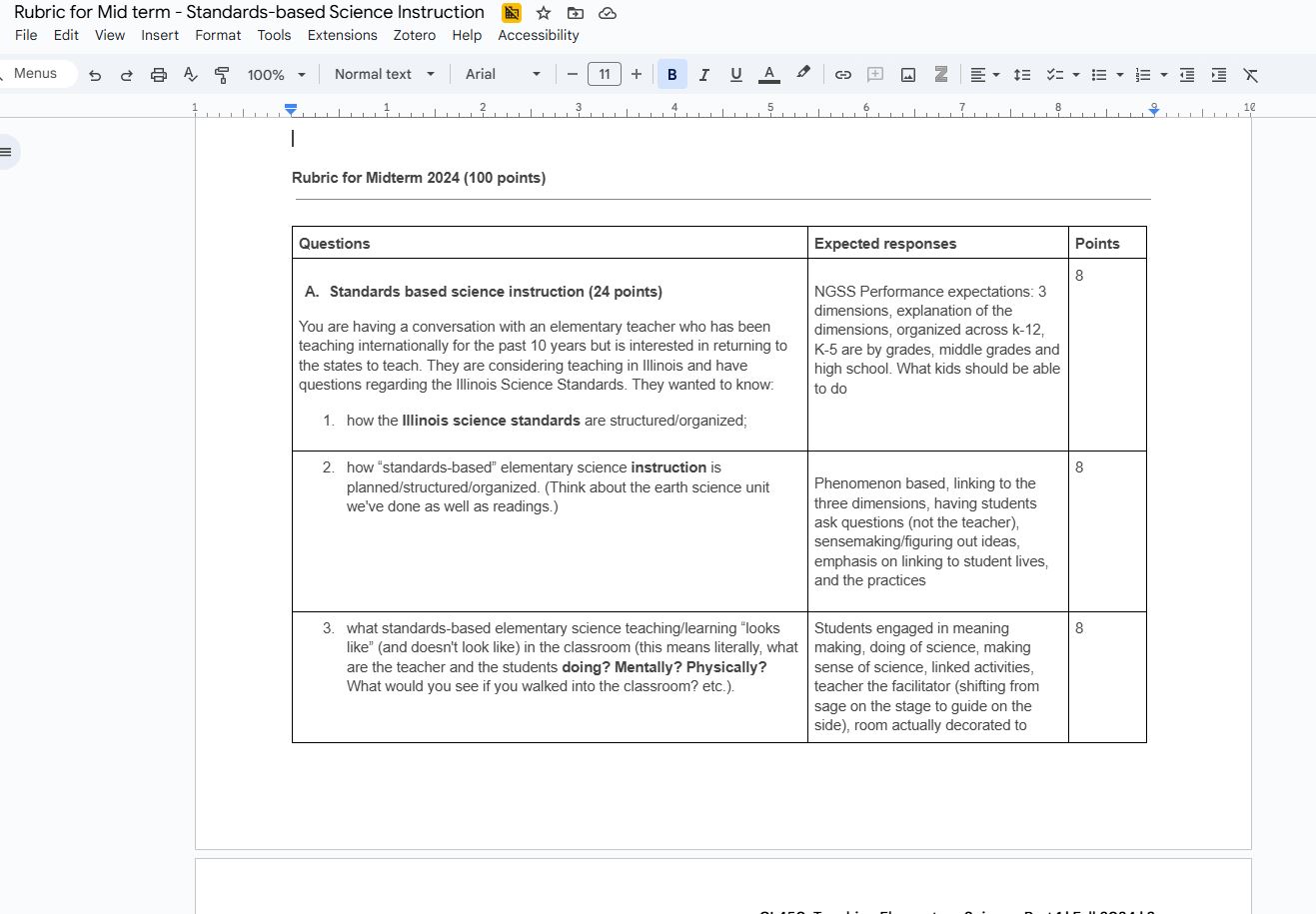
Students demonstrate their understanding through a midterm examination covering NGSS standards, which simultaneously prepares them for their teacher licensure exams. Collaborative group projects provide authentic practice in creating NGSS-aligned unit plans, developing both content knowledge and practical teaching skills.
Recognition:
I am proud to have been recognized for teaching excellence in 2019, reflecting my commitment to innovative and effective science teacher education.
Teacher Summer Workshop: Integrating STEM and Computational Thinking
Workshop Overview:
I designed and led a dynamic 3-hour professional development workshop for practicing elementary educators as part of a comprehensive summer institute focused on computational thinking (CT) integration. This workshop addressed a critical need: helping K-6 educators seamlessly incorporate computational thinking across various content areas.
Innovative Approach:
Recognizing the diverse needs of participants—who included classroom teachers, librarians, and support staff from grades K-6—I structured the workshop to address real barriers to CS/CT implementation. The first 90 minutes validated common challenges identified through research, followed by introducing a research-backed framework for content integration. During the second half, participants engaged with grade-specific examples (3rd-5th grade) featuring aligned standards, working collaboratively to analyze implementation strategies. I provided curated lesson plans from previous cohorts along with a comprehensive list of free resources to support their planning.
Instructional Methods:
The workshop embraced active learning principles, with strategic grouping to facilitate peer discussion and practical application. Participants received a structured integration framework that was incorporated into their lesson planning templates, providing ongoing support beyond the workshop.

Lesson Objectives covered on each day 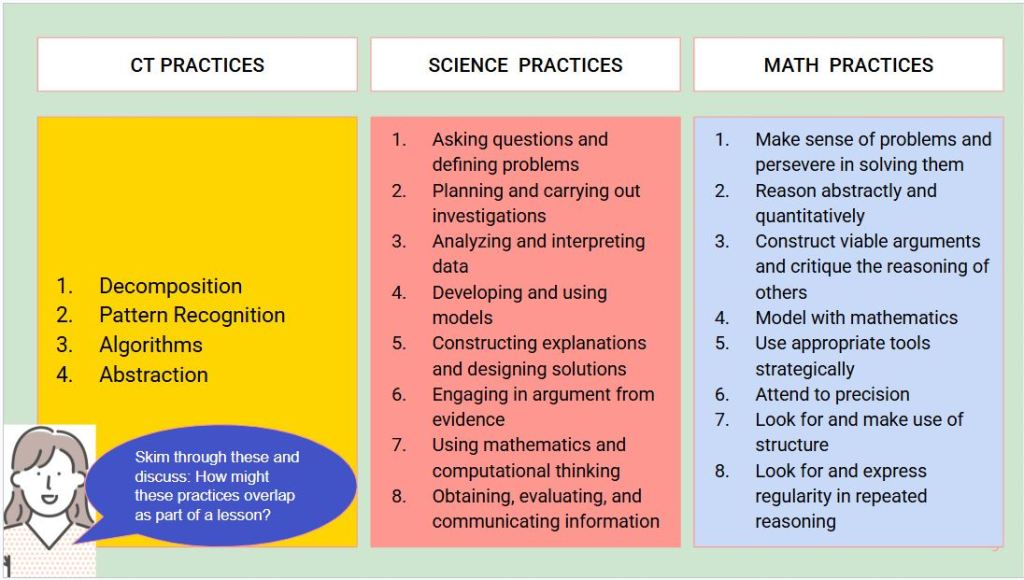
Setting up discussion among teachers 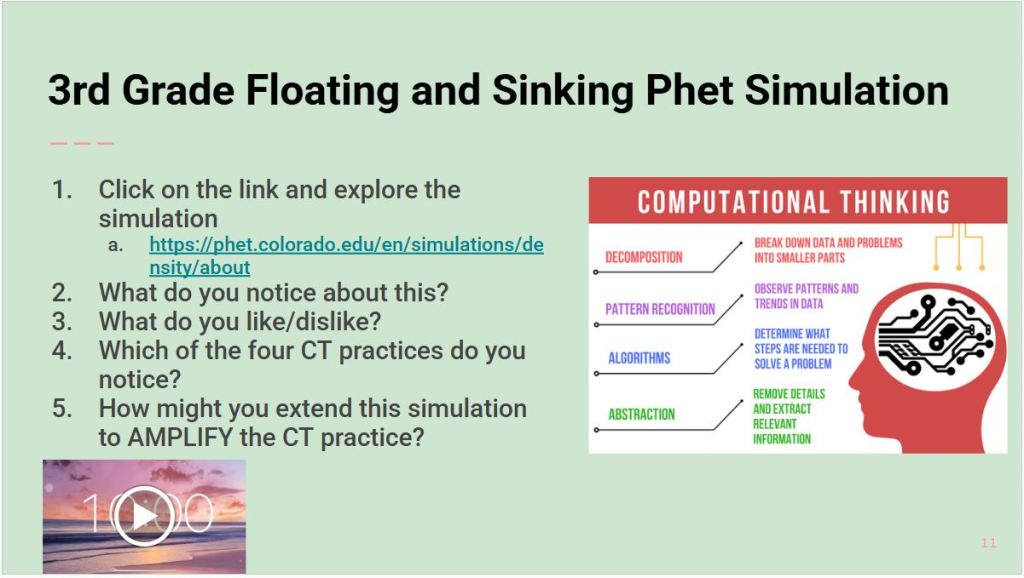
Engaging teachers in hands-on practice 
Reminder of framework
Impact Assessment:
Exit tickets captured key takeaways and participant feedback, allowing for continuous refinement of the professional development model.
Fifth Grade Ecosystems Curriculum Design
Curriculum Overview:
GEMSTEP is an innovative mixed reality classroom environment where fifth-grade students construct scientific models of simple ecosystems by physically embodying organisms and observing how their interactions affect the ecosystem. In their first experience, students are introduced to a fish and algae ecosystem where they embody fish and must collaborate to consume algae sustainably. This hands-on approach requires students to understand consumption rates, population dynamics, algae growth, and energy transfer to maintain ecosystem stability. Through embodied collaboration, students develop scientifically sound strategies, engage in productive group discourse, and modify ecosystem code to adjust energy transfer rates. This approach integrates computational thinking as students decompose ecosystem functions into code and iteratively generate, test, and refine their models to identify key elements of sustainable ecosystems.
The curriculum consists of two 8-day units. In the first unit, students spend four days exploring fish and algae interactions followed by four days investigating a garden ecosystem. The second unit focuses on a wetland ecosystem, where students discover the crucial role of beavers in maintaining ecological balance.
Innovative Teaching Approach:
As lead instructor and curriculum designer, I developed standards-aligned unit plans, comprehensive assessments, and a carefully sequenced daily curriculum. The instructional approach uniquely leverages Pozyx positioning technology in an open classroom space, allowing students to interact with virtual organisms in a meaningful context.
My teaching sequence begins with introducing ecosystem modeling as a relevant problem, followed by guided exploration of the mixed reality environment. Students then work in collaborative groups through iterative modeling cycles. During physical modeling sessions, I provide targeted scaffolding to highlight key insights, while reflection periods bring the class together to analyze outcomes and plan next steps. For the computational elements, I redesigned code blocks to emphasize critical features, making complex concepts accessible through whole-class modeling. The units culminate with students creating visual ecosystem models complete with labeled interactions, supported by both written assessments and interviews to gauge conceptual understanding. The slideshow below was a showcase of the innovative scripting interface that I incorporated into the curriculum.
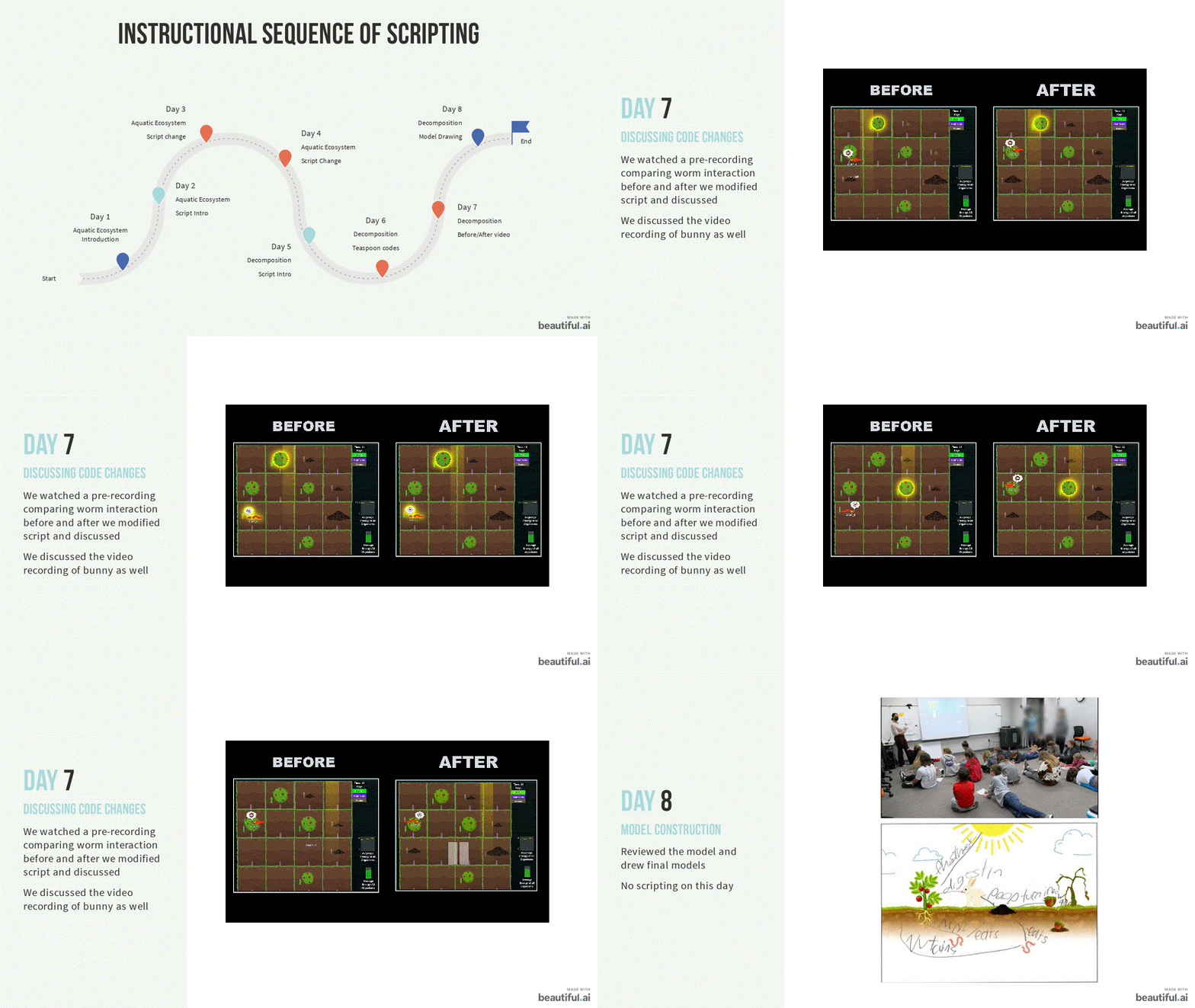
Impact and Outcomes:
Through continuous refinement of the curriculum, student assessment data demonstrated significant improvements in both scientific modeling skills and conceptual understanding of ecosystem dynamics. This innovative approach bridges physical, conceptual, and computational learning in a uniquely engaging format that promotes deep scientific understanding.
Middle School Gesture Augmented Simulation Tutoring Design
Project Overview:
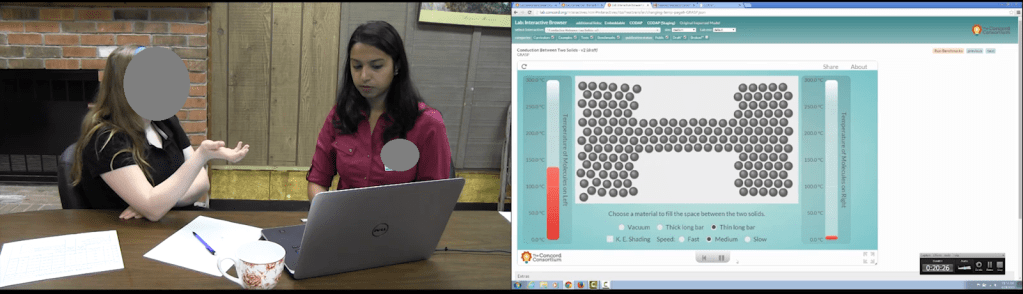
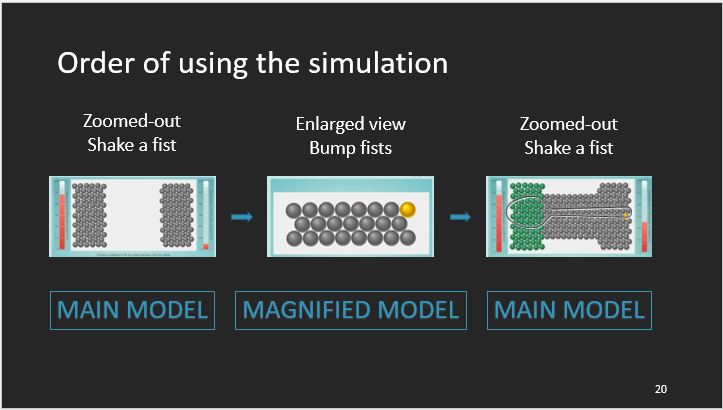
The GRASP initiative was a design-based research project that enhanced middle school science education through gesture-augmented simulations. I conducted targeted 30-minute tutoring sessions helping students develop deeper understanding of fundamental concepts including thermal conduction, seasonal changes, and air pressure dynamics. While traditional simulations show molecular and astronomical mechanisms, our innovative approach incorporated deliberate hand gestures, allowing students to physically represent molecules and sunrays. This embodied learning significantly increased student immersion and focused attention on critical causal mechanisms. For example, when studying thermal conduction, students who used their fists to represent colliding molecules were more likely to correctly identify that heat transfer occurs through molecular collisions rather than through an invisible substance.
Instructional Innovation:
My teaching approach began with introducing students to real-world phenomena requiring scientific explanation. For instance, I would bring them a cup with hot water and a spoon in it and ask, “Why does a spoon’s handle become warm when only its bowl is in hot water?” After gathering initial explanations, I guided students through progressively deeper questions to assess their molecular-level understanding. Students then engaged with carefully designed simulations enhanced with gesture-based interactions. As the instructor, I provided scaffolding and troubleshooting while students followed a structured sequence of questions integrated within the simulation, building comprehensive explanations step by step.
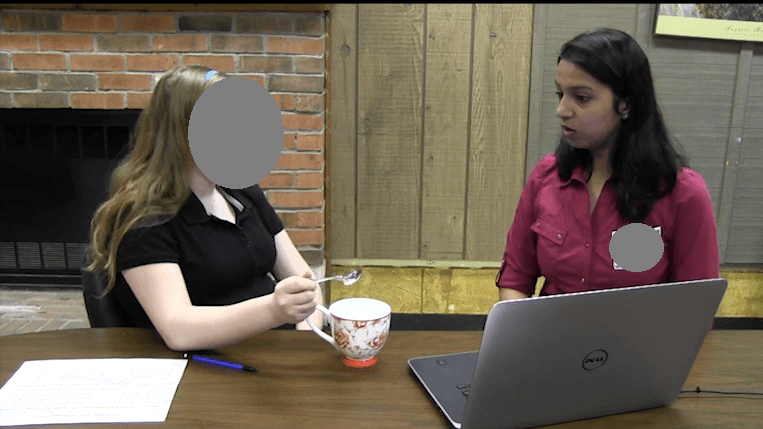
Metacognitive Development:
A breakthrough in my teaching strategy was asking students what their hands represented within the simulation. Many initially viewed their hand movements as simple mouse-click replacements rather than as physical representations of molecules. When prompted to consider this connection, students established meaningful links between their sensorimotor experience and the scientific concepts, achieving deeper immersion and constructing more sophisticated explanations.
Learning Outcomes:
The effectiveness of this embodied learning approach was evident in the remarkable scientific depth of students’ final explanations, demonstrating how gesture-augmented learning can transform abstract concepts into accessible, memorable understanding. You will find the results of this analysis in my research portfolio.
 Nitasha Mathayas, PH.D.